


KNOW YOUR BODY
Explore expert-led health articles written by our specialist doctors and experienced practitioners, designed to empower you with trusted, evidence-based insights into Women+ health.

Fertility Care Can Start Earlier Than You Think.
Fertility support is not only for people who are ready to start IVF.
Many people benefit from having a fertility conversation earlier - before treatment feels urgent, before online information becomes overwhelming, or before they feel unsure about what the next step should be.
At Elgin House, fertility care can begin with a calm, specialist consultation that helps you better understand your body, your options and your pathway forward.
When Your Body Feels Different But Your Blood Tests Look “Normal”
When Your Body Feels Different But Your Blood Tests Look “Normal” - Many people know the feeling of being told their results are “normal” while still feeling unlike themselves.

When Bladder Symptoms Are Actually Part of the Pelvic Pain Picture
Bladder symptoms are often treated as a separate issue.
A person may experience urgency, frequency, pressure, pain when passing urine or discomfort when the bladder is full — and naturally, the first thought is often a urinary tract infection.
But when urine tests keep coming back clear, symptoms return around the same time each cycle, or bladder discomfort appears alongside pelvic pain, painful periods, bowel symptoms or pain with sex, it may be part of a broader pelvic pain picture.

Adenomyosis, iron depletion and why fatigue deserves proper investigation.
Adenomyosis, iron depletion and why fatigue deserves proper investigation. Heavy periods are often spoken about as an inconvenience. Something to plan around, push through, or quietly manage. But for many women+ living with adenomyosis, heavy bleeding can affect far more than the cycle itself. It can influence energy, concentration, mood, exercise capacity, sleep, work, relationships and overall quality of life. One of the most important reasons is iron depletion.

Egg Quality Is Not Just About Age
How the preconception environment can influence fertility outcomes
Age matters in fertility. There is no responsible conversation about egg quality that avoids this. Egg number and egg quality both decline with age, particularly from the mid-30s onward, and this can affect the chance of conception, miscarriage risk and IVF outcomes.
Thyroid Symptoms That Get Mistaken for Burnout
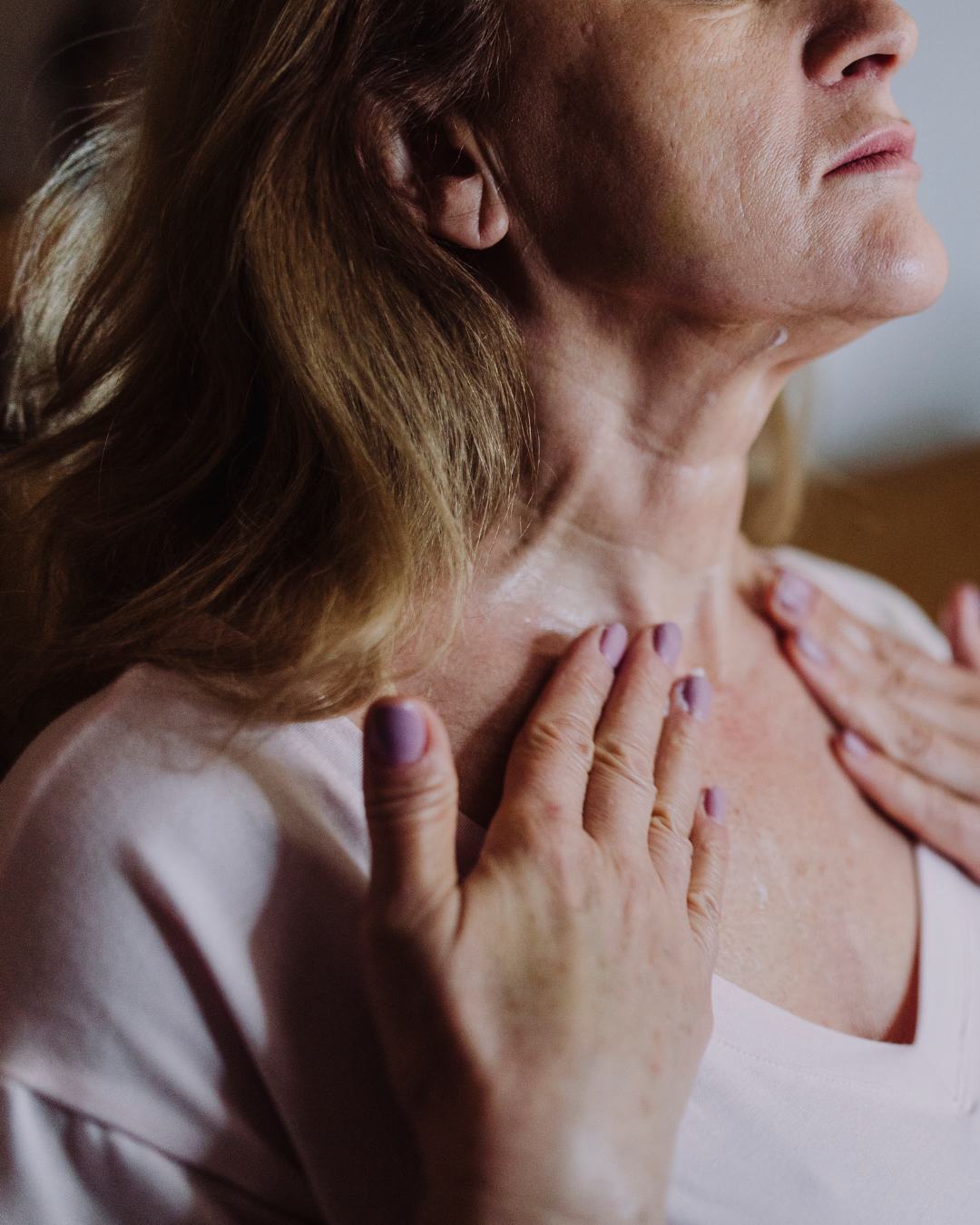
Feeling constantly tired, foggy, flat or cold can be easy to explain away. A busy life, poor sleep, work stress,parenting, caregiving, study, hormones—there is usually a reason we tell ourselves to keep going.But sometimes what looks like burnout is not only burnout. Sometimes, the thyroid is part of the story.The thyroid is a small gland in the neck, but its influence is wide. It helps regulate energy, temperature,metabolism, digestion, mood, heart rate and reproductive health. When thyroid function is disrupted,symptoms can be subtle, gradual and easy to miss

Why Inflammation Matters More Than We Used To Think
For a long time, inflammation was viewed as something relatively straightforward. You sprain an ankle, get sick, or develop an infection - the body creates inflammation as part of the healing response. But we now understand inflammation is far more complex than that. Low-grade, persistent inflammation is increasingly being linked to a wide range of chronic health concerns - including hormonal conditions, metabolic dysfunction, fatigue, chronic pain and cardiovascular disease.

When Pelvic Pain Isn’t Just Gynaecological: Understanding Pelvic Congestion Syndrome
Chronic pelvic pain is often associated with gynaecological conditions — and for good reason.
But not all pelvic pain originates from the reproductive organs.
In some cases, the underlying cause is vascular.
One condition that remains under-recognised is Pelvic Congestion Syndrome (PCS) — a disorder involving dilated pelvic veins that can contribute to ongoing, often unexplained pain.

The Science We Missed: How Menstrual Blood Is Changing Medicine
The Science We Missed: How Menstrual Blood Is Changing Medicine
For centuries, menstrual blood was largely ignored in medicine.
Not studied.
Not prioritised.
Often dismissed entirely.
And yet — it may hold some of the most promising insights into human health, repair and disease.

BV and Sex: What We’re Learning About How It Spreads
Bacterial vaginosis (BV) is incredibly common — but the way we talk about it hasn’t always kept up with the science.
Many people are told BV is simply a bacterial imbalance that happens randomly.
While that’s partly true, newer research suggests there’s more going on.

Adenomyosis: The Condition We Don’t Talk About Enough
Adenomyosis is a common yet under-recognised condition that can significantly impact daily life.
It occurs when endometrial-like tissue grows within the muscular wall of the uterus. This can change how the uterus functions — affecting its structure, contractility, and inflammatory environment.

Mast Cells, Estrogen and Endometriosis: Understanding the Inflammatory Connection
Endometriosis is increasingly recognised as a condition that extends beyond the reproductive system.
While hormones — particularly estrogen — play a significant role, the immune system is also deeply involved in how the condition develops and how symptoms are experienced.
One area of growing research interest is the role of mast cells.
Acupuncture and Endometriosis: Understanding Its Role in Holistic Care
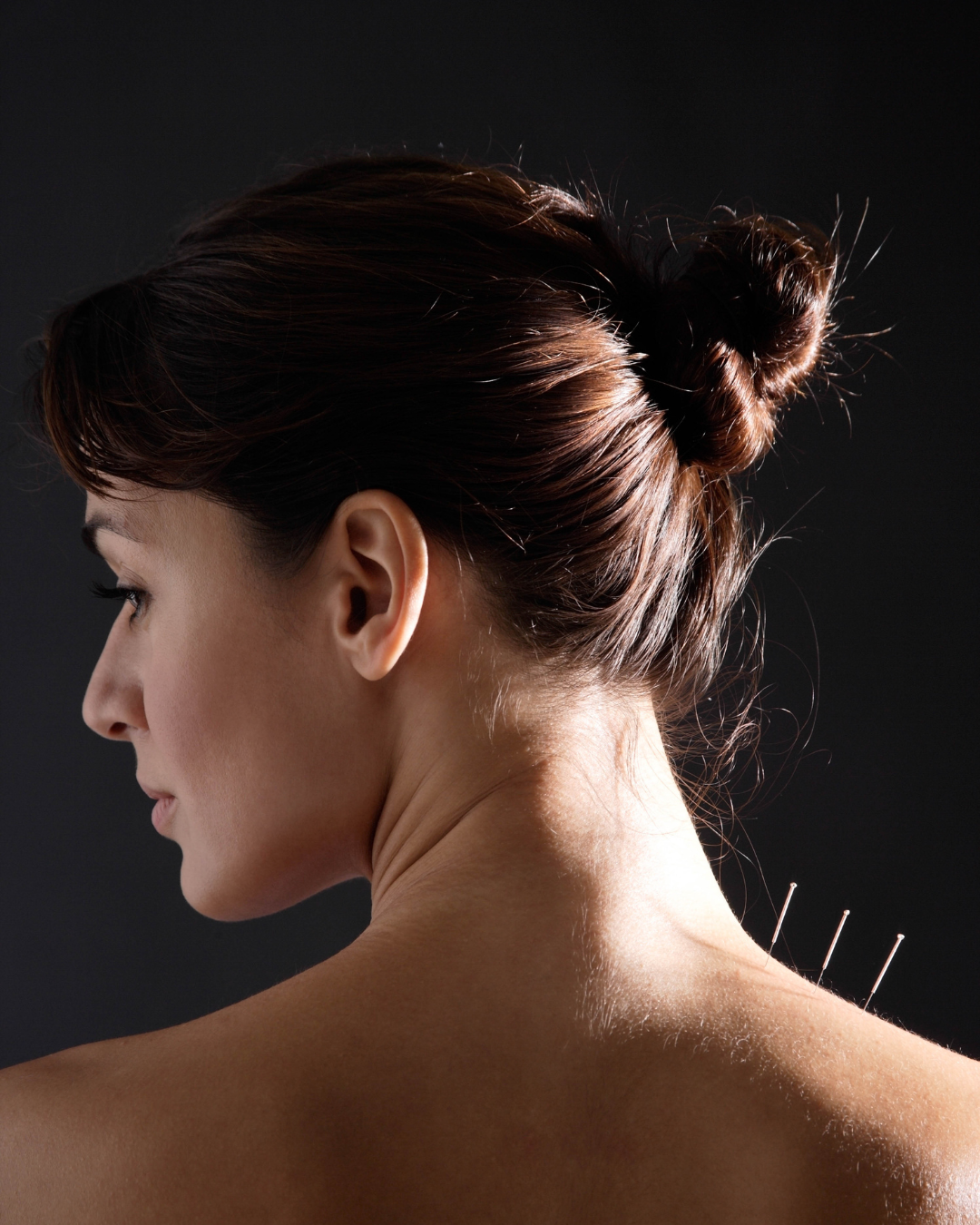
Endometriosis is a complex inflammatory condition that can affect many aspects of a person’s health and wellbeing. For those living with chronic pelvic pain, fatigue, hormonal fluctuations and digestive symptoms, effective management often requires more than a single treatment approach.

Statement — Surgery and Endometriosis: Clarity, Consent and Care
Recent national reporting has raised serious questions about endometriosis surgery in Australia — including concerns about whether some procedures may have been unnecessary or not appropriately indicated. We recognise how unsettling this may feel, particularly for those who have already undergone surgery, are considering surgery, or have spent years advocating to be heard about their pain.

PCOS Is a Lifelong Condition — And Early Management Changes the Future
For many years, polycystic ovary syndrome (PCOS) was primarily framed as a fertility disorder.
But long-term data tells a more complex story.
Recent findings from a longitudinal study that has followed women with PCOS since the 1980s reinforce what metabolic research has been suggesting for decades:
PCOS is a lifelong endocrine and metabolic condition.

The Decade That Shapes Your Future: Why Ages 36–46 Matter More Than You Think
We often associate “midlife health” with our 50s and 60s.
But biologically, the groundwork for future resilience is laid much earlier.
The decade between 36 and 46 represents a critical inflection point in women+ health. Many physiological shifts begin quietly during this window — long before obvious symptoms appear.

When Endometriosis Explains More Than Pelvic Pain
For many women+, an endometriosis diagnosis is rarely the end of the story.
Instead, it often sits alongside a growing list of other conditions — autoimmune disease, bladder pain, hormonal mood changes, connective tissue disorders, chronic fatigue, widespread pain, or gut dysfunction. Individually, these diagnoses are frequently treated as separate, unrelated problems.

Why Health Feels Hard Right Now — and the Shifts Shaping the Year Ahead
If you’ve found it difficult to stay consistent with your health — skipping the morning walk, cancelling the class you meant to attend, feeling overwhelmed rather than motivated — you’re not failing.
You’re responding to the environment you’re in.

Vascular Endometriosis: Understanding a Lesser-Known Driver of Pain
Endometriosis is often described as “tissue growing where it shouldn’t.” But this simplified explanation misses what actually drives symptoms for many women+ — especially persistent or severe pain.
One emerging area of research focuses on vascular endometriosis, where endometriosis lesions interact closely with blood vessels.
Understanding this can help explain why endometriosis behaves so differently from person to person.

Menopause: Your Second Spring
Menopause isn’t an ending — it’s an evolution.
Every CIS Woman, and some gender diverse and queer people, will experience menopause, yet it’s one of the least discussed and most misunderstood transitions in health.
At Elgin House, we see menopause not as a decline, but as a biological and emotional evolution. It’s a natural process — one that deserves informed, evidence-based care and a compassionate approach.
Take the next step in your health journey — book an appointment today and receive expert, compassionate care tailored to you.